Helmets
ECE 22.06, helmet types, fit, shell materials — what actually matters when you are spending €200–€700 on head protection.
Since November 2023, ECE 22.06 is the only helmet certification legally valid for new helmet sales across the EU and UK. The previous standard, ECE 22.05, is no longer acceptable for newly manufactured helmets — though helmets certified under 22.05 before the cutoff remain legal to wear.
ECE 22.06 is significantly more demanding than its predecessor. The test protocol now includes oblique impact testing — simulating the rotational forces that cause brain injury in real crashes, not just the linear impacts 22.05 tested. It also tightens visor impact and chin bar standards.
What this means when buying: confirm the label on the helmet reads ECE 22.06, not 22.05. On EU retailer product pages, look for the certification string in the spec sheet. Most reputable retailers declare it explicitly — if they do not, ask before buying.
Certification check
Every helmet listed on RiderDealFinder is ECE 22.06 certified, with the certification source noted for each product. We do not list ECE 22.05 helmets.
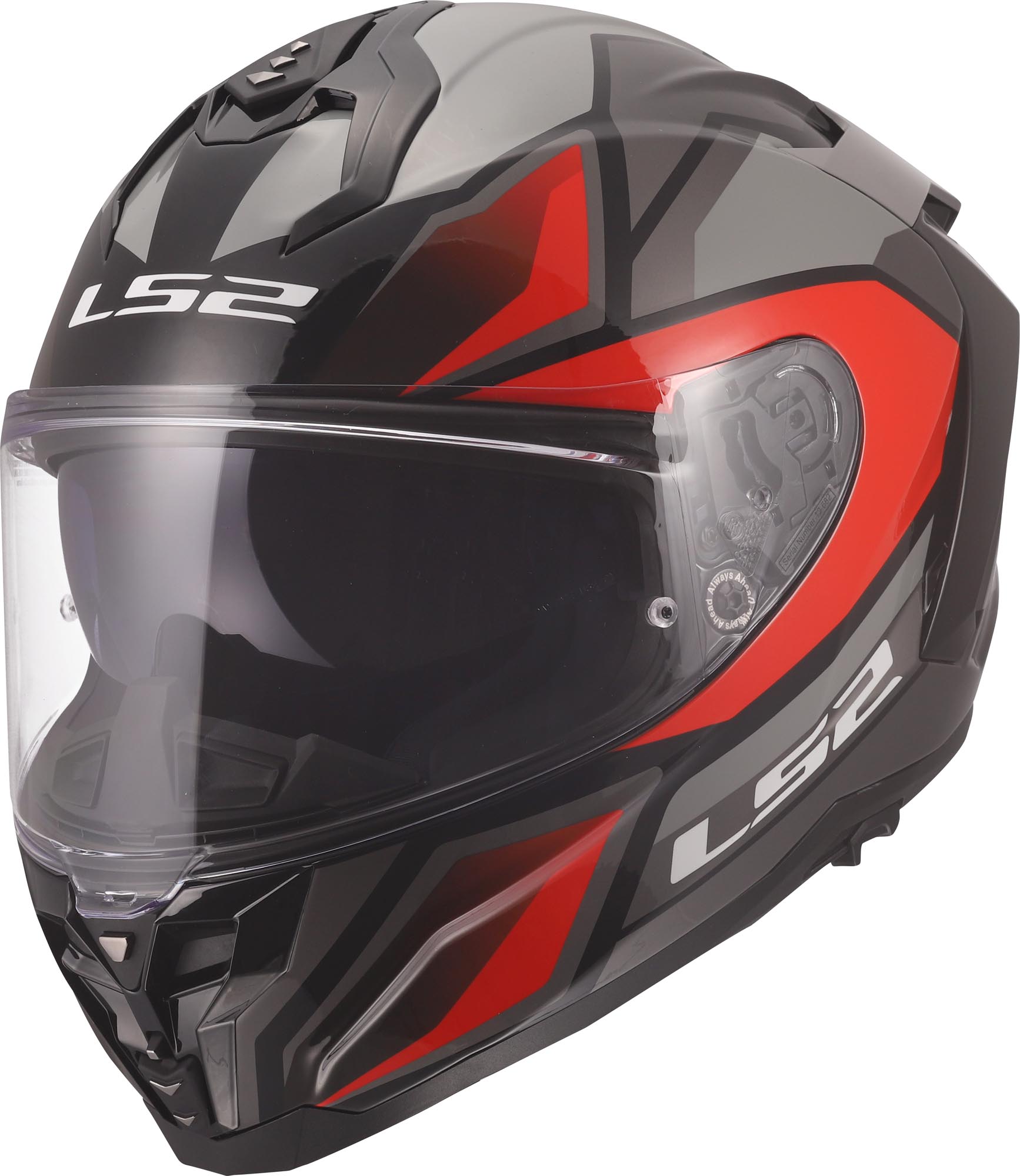
A single-piece shell with a fixed chin bar. Maximum protection — the chin and jaw area account for a disproportionate share of helmet impacts in crashes. Quieter than open-face at speed. The right choice for most road riding, especially above 80 km/h.
Example from our catalog: Shoei NXR2 (sport), Shoei GT-Air 3 (touring with integrated sun visor), AGV K6 S (lightweight sport).
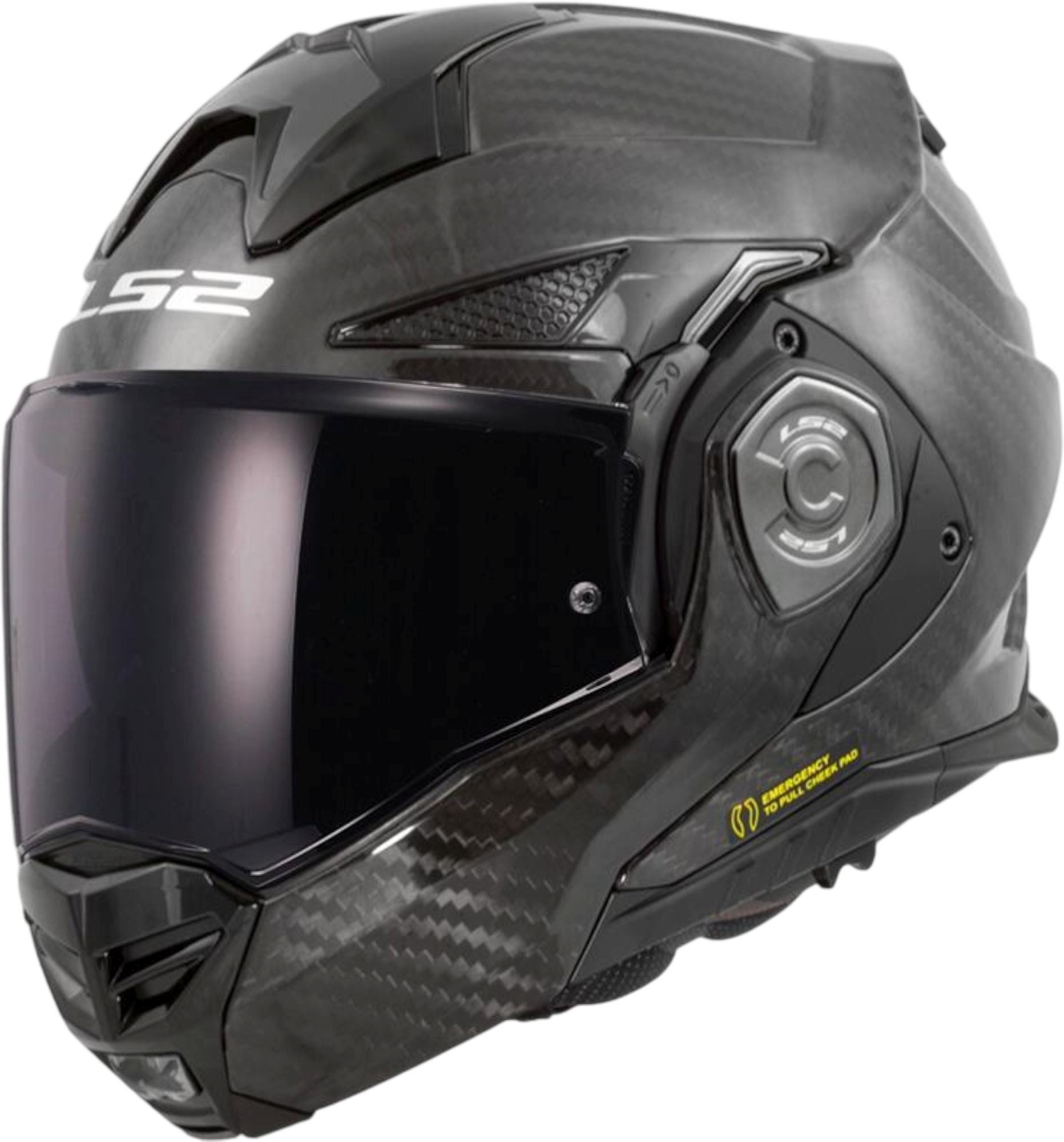
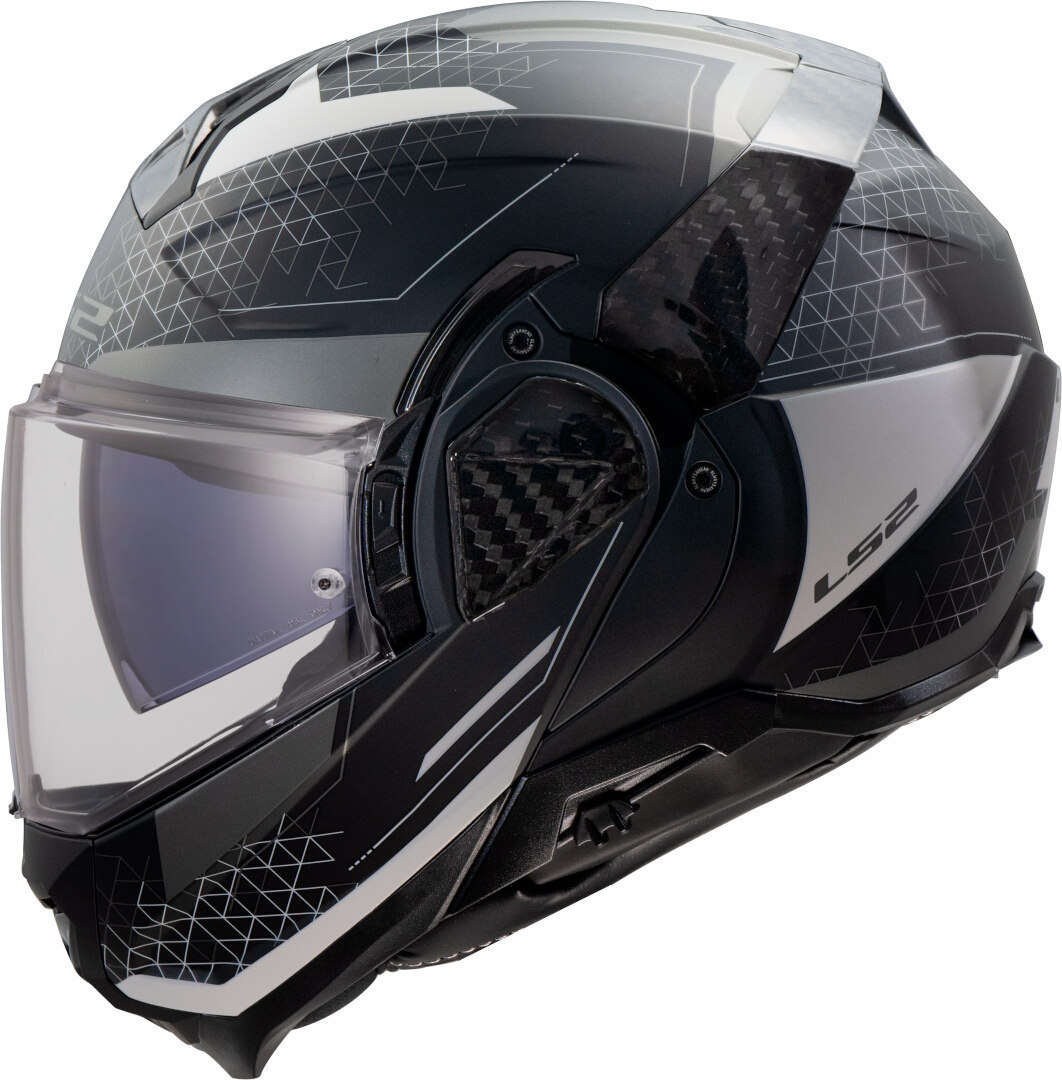
A chin bar that hinges up so you can lift the front without removing the helmet. Popular with touring and commuting riders who need to talk at fuel stops without a full removal. Slightly heavier than full-face equivalents at the same price. A good modular is safer than a bad full-face — certification is what counts, not the type.
No chin bar. Significantly lower protection for the face. Popular for urban and scooter use. Legal on EU roads, but not recommended for motorway speeds or anyone serious about impact protection. ECE 22.06 open-face helmets exist — but the standard cannot compensate for absent chin coverage.
A €700 helmet that fits badly is less safe than a €200 helmet that fits correctly. Fit determines both protection (a loose helmet moves on impact) and wearability over long distances.
Wrap a soft tape measure around the widest part of your skull — roughly 2 cm above your eyebrows and around the back. The measurement in centimetres maps to the sizing charts each manufacturer publishes. Shoei, AGV, Nolan, and Shark all publish per-model size charts — use the one for the specific helmet you are buying, not a generic brand chart.
Head shapes are described as round oval, intermediate oval, or long oval. Most European helmets (Shoei, Arai, AGV, Nolan) are designed for intermediate oval. A Shoei will fit differently to an AGV of the same labelled size — this is normal. If you can try the helmet in person, wear it for at least 10–15 minutes: hotspots that feel minor in a shop become painful on a three-hour ride.
Put the helmet on. Grab the chin bar and try to rotate the helmet side-to-side and push it forward. Neither the helmet nor your cheeks should move significantly. Your cheeks should feel firm — not pinching, but not loose. New helmets always feel tighter than broken-in ones; the foam will compress 10–15% over the first few hours of use.
Entry to mid-range pricing. Heavier than composite alternatives — typically 1,400–1,600 g for a full-face. Absorbs energy through plastic deformation on impact. Perfectly safe when ECE 22.06 certified; the physics of energy absorption are different to composites, not worse. The Nolan N80-8 uses polycarbonate.
Mid to upper range. A blend of fibreglass, aramid (Kevlar), and sometimes carbon fibre. Lighter than polycarbonate — 1,200–1,400 g typical — and can be moulded into more complex aerodynamic shapes. Shoei AIM+ (NXR2) and Shoei AIM (GT-Air 3) shells fall here.
Premium pricing. Lightest available — the AGV K6 S starts at 1,255 g. Reduced neck fatigue on long rides is measurable, not marketing. Worth the cost if you ride 500+ km days regularly; harder to justify for city commuting.
| Price range | Shell | Weight | Typical features |
|---|---|---|---|
| €100–200 | Polycarbonate | 1,500–1,700 g | Basic ventilation, Pinlock-ready visor |
| €200–400 | Polycarbonate or entry composite | 1,350–1,500 g | Multiple shell sizes, improved ventilation, Pinlock included |
| €400–600 | Composite (AIM, Trilam) | 1,250–1,400 g | Pinlock 120, emergency cheek pad removal, sun visor option |
| €600+ | Carbon or premium composite | 1,100–1,300 g | Carbon shell, max ventilation, track-grade aerodynamics |
Pinlock anti-fog insert— a secondary lens that creates an insulated air gap behind the main visor. Without one, most visors fog heavily in cold or wet conditions. Pinlock 70 is standard on budget helmets; Pinlock 120 (Max Vision) on the Shoei NXR2 and GT-Air 3 provides full peripheral fog protection. Always check which Pinlock version is included vs just "Pinlock-ready."
Integrated sun visor — a drop-down tinted visor operated by a lever or switch on the helmet exterior. The Shoei GT-Air 3 and Nolan N80-8 both have this. Eliminates the need for tinted visors or sunglasses. Trade-off: adds weight and a mechanical component that can degrade over time.
The same ECE 22.06 helmet often varies by €40–100 across EU retailers for no reason beyond where the retailer is based, their current stock position, and how aggressively they are pricing. The Shoei NXR2, for example, is currently listed at €431 at RAD.eu and €499 at Helmexpress — a €68 gap on an identical product.
All retailers shipping within the EU charge EU-standard VAT-inclusive prices. There is no customs benefit to buying from one EU country over another for EU residents — the gap is pure pricing variance.
Compare ECE 22.06 helmet prices across EU retailers
We track prices from RAD.eu, Motoin, Helmexpress, FC-Moto, Outletmoto, and others — manually verified, updated weekly.
Browse helmet deals